
Circularity Included
Embedding circularity across our value chain
At Johnstone's Trade, we aim to reduce the consumption of natural resources and support a more circular economy, without compromising on quality or performance.
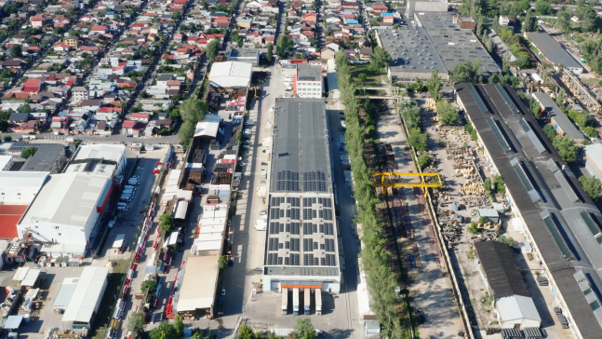
Across our manufacturing sites, we continuously strive to reduce waste. Each year, PPG undertakes continuous improvement activities to better understand sources of waste within our production processes and identify practical opportunities for reduction through process optimisation. These efforts have delivered meaningful results, and with a goal of achieving a 25% reduction in waste intensity by 2030 against a 2019 baseline, the Birstall manufacturing site had already achieved a 20% reduction by 2025.
We also seek to recover as much waste as possible through internal and external recycling initiatives and are targeting 100% waste recovery by 2030. As a high-volume paints and coatings manufacturer, fluctuations in customer demand and production volumes can result in some raw materials or finished products remaining unused. For more than 20 years, we have partnered with specialist UK paint recyclers to help divert these materials from disposal and support more circular outcomes.
In addition, we maintain an active dialogue with our suppliers to identify opportunities for introducing renewable and non-fossil raw materials into our products.
Advancing recycled plastic packaging
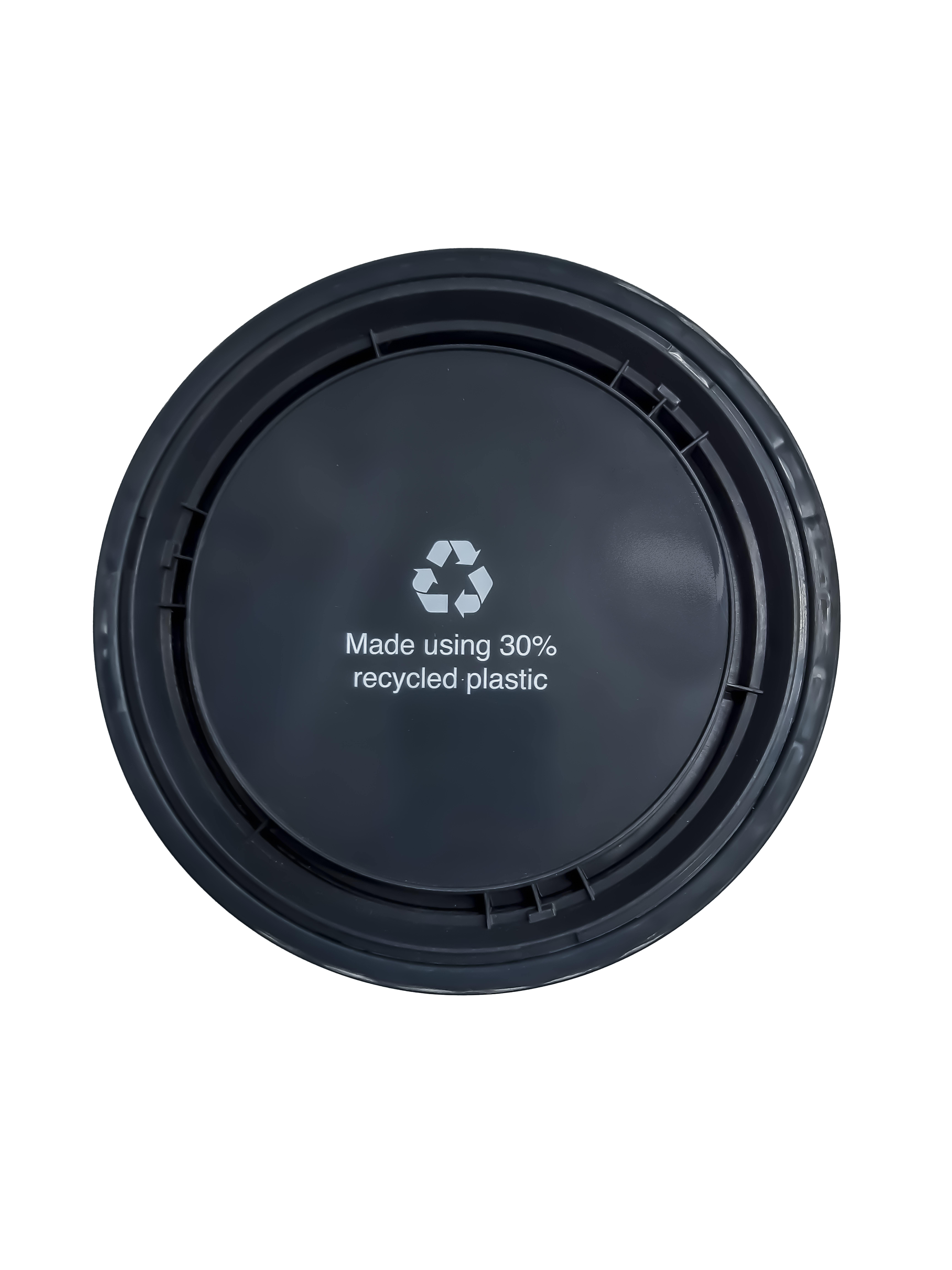
Our plastic buckets contain increasingly more recycled material working with suppliers certified by a third party such as RecyClass.
RecyClass Recycled Plastics Traceability Certification ensures transparency and accountability in the use of recycled plastics. It offers a clear framework for certifying the origin of waste and provides transparent communication across the value chain.
This certification scheme is developed in line with EN 15343:2007 and ISO 22095:2020 controlled blending model standards.
It is based on the guarantees provided by the technical standards UNI UNIPLAST 10667 and EN 15343, as well as third-party verification carried out by accredited certification bodies.
The certification applies the concept of “traceability” to recycled materials and calculates recycled content according to the UNI EN ISO 14021 standard.
More About Sustainability

Green Building Design
In support of sustainable development and in order to achieve the goals set by the international Green Building Council, we present you with the most suitable paints and other coatings for sustainable construction.

Sustainable labels & projects
We use recognized third-party labels and certifications to provide transparent, fact-based information on the environmental, safety and quality performance of our paints. These labels or certifications based on international standards help you to make informed choices.

Carbon Reduction Included
We are committed to reducing our product carbon footprint. By transitioning to renewable material sources, we are preserving precious materials for generations to come.