
Energy Saving Included
Minimising energy use in production
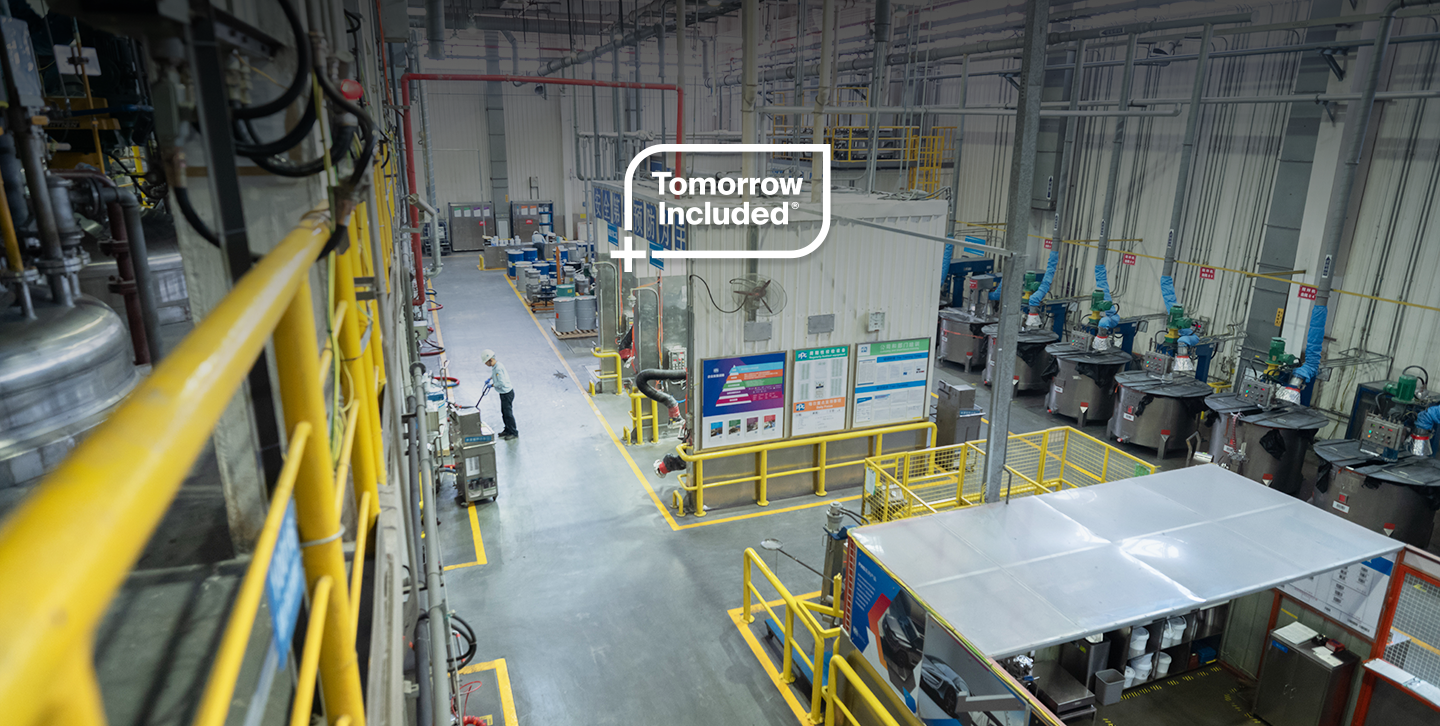
At Johnstone's Trade, we are committed to maximizing energy efficiency and reducing environmental impact across our operations. As we identify the need to replace process and utility equipment that is inefficient and at the end of its useful life, we are upgrading and retrofitting to more energy efficient assets including lighting upgrades.
Applying as many energy-saving measures as possible, from basic energy saving campaigns to installation of state-of-the-art heating and lighting management systems at the Birstall site, we have delivered a saving of over 30% energy use in 2025 compared to 2024 resulting in eliminating over 1000 Tonnes of carbon emissions.
Improving Building Energy Performance
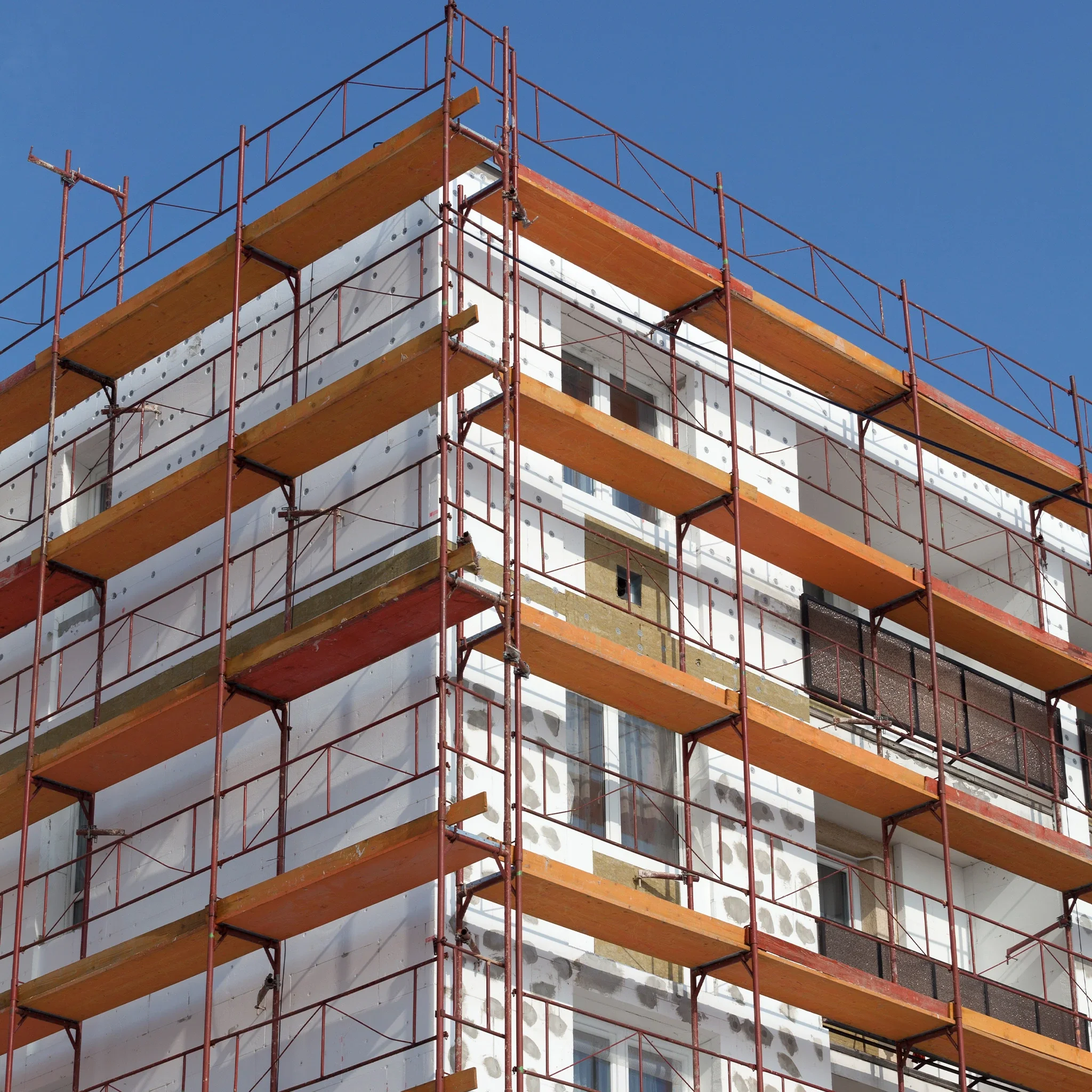
External Wall Insulation (EWI) contributes to improving building energy performance through four key benefits:
Increased Thermal Comfort
EWI helps maintain a comfortable indoor temperature throughout the year, regardless of the weather outside. During colder months, EWI reduces heat loss through external walls, helping to retain warmth generated by heating systems and renewable energy sources. In warmer weather, it helps prevent walls from absorbing excessive solar heat, keeping indoor spaces cooler and more comfortable. The result is a more stable indoor environment and improved occupant comfort all year round.
Lower Energy Bills
By improving a building's thermal efficiency, EWI significantly reduces the amount of energy needed to heat a property. When installed correctly, EWI can lead to substantial savings on heating costs for both homeowners and tenants. While the initial installation cost can be significant, these costs are often offset over time through reduced energy consumption and lower utility bills.
Improved EPC Ratings
An Energy Performance Certificate (EPC) measures the energy efficiency of a property. Installing EWI can significantly improve a property's EPC rating by reducing heat loss and improving overall energy performance. This can make homes and rental properties more attractive to prospective buyers and tenants.
For landlords, EWI can play an important role in achieving the higher EPC ratings increasingly required by legislation, helping properties move towards a B and C rating or above.
Reduced Thermal Bridging
Thermal bridging occurs when gaps or weak points in a building's insulation allow heat to escape more easily. These areas can lead to increased heat loss, reduced insulation performance, and a higher risk of condensation and mould growth.
Unlike Internal Wall Insulation (IWI), which can leave unavoidable thermal bridges around party walls, floor junctions, internal partitions, and service penetrations. EWI creates a continuous layer of insulation around the outside of the building. This seamless approach significantly reduces thermal bridging, improving energy efficiency while helping to minimise the risk of condensation related issues.
More About Sustainability

Green Building Design
In support of sustainable development and in order to achieve the goals set by the international Green Building Council, we present you with the most suitable paints and other coatings for sustainable construction.
Sustainable labels & projects
We use recognized third-party labels and certifications to provide transparent, fact-based information on the environmental, safety and quality performance of our paints. These labels or certifications based on international standards help you to make informed choices.

Carbon Reduction Included
We are committed to reducing our product carbon footprint. By transitioning to renewable material sources, we are preserving precious materials for generations to come.